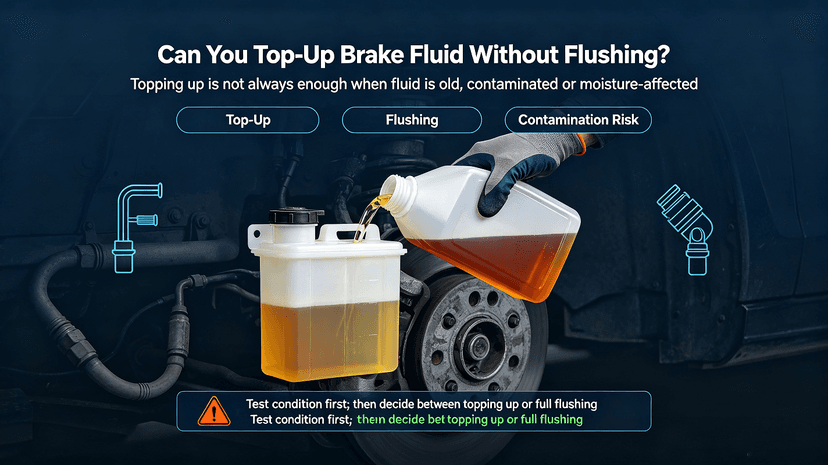
Top-up, flush, or full refill: what brake-fluid buyers and maintenance teams should know
If you are dealing with a low brake-fluid reservoir, a quick top-up can seem like the obvious fix. In practice, that small action sits inside a much bigger maintenance decision: is the fluid simply low because of normal pad wear, or is it low because of a leak, contamination, or overdue service? For engineers, fleet managers, and shop buyers, the difference matters. Brake-fluid decisions affect stopping performance, service intervals, and, in some cases, the cost of a preventable failure.
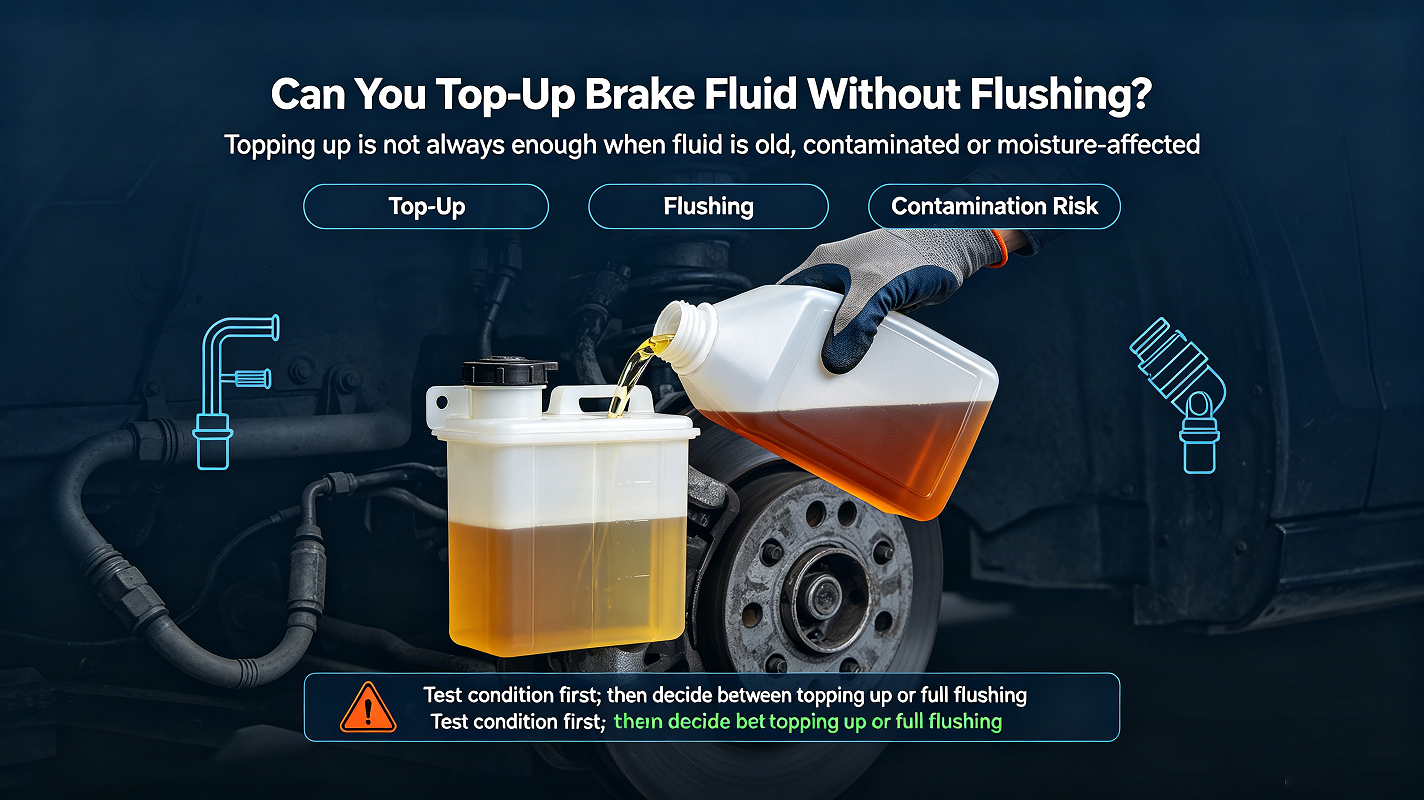
Brake fluid is not a casual “add and go” consumable. It works under heat, pressure, and moisture exposure, which means a refill without context can solve the warning light but not the underlying issue. That is why brake maintenance is usually better treated as a condition check first, fluid action second.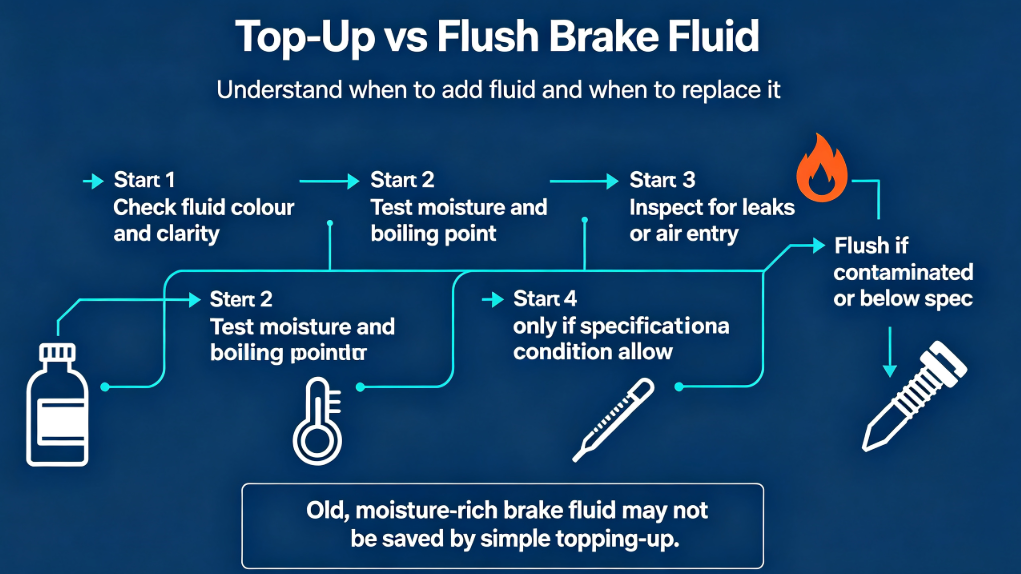
Why low brake-fluid levels happen
A reservoir can drop for several reasons, and not all of them are bad news. As brake pads wear, the caliper pistons move farther out and the fluid level in the reservoir often falls. That is normal. A technician may see a low level during service and decide the system simply needs a measured refill to restore the mark after inspecting pad thickness.
But low fluid can also point to leakage at hoses, calipers, wheel cylinders, master cylinders, or fittings. It can also indicate that the fluid has been neglected for too long and has absorbed moisture, which affects boiling point and overall performance. If the vehicle has a soft pedal, uneven braking, or repeated level loss, a top-up alone is the wrong answer.
Top-up vs flush: they are not the same job
A top-up is a limited corrective action. It brings the reservoir back to the proper level using the correct brake fluid specification for the system. It does not remove old fluid from the lines, and it does not address contamination.
A flush is a broader service. It replaces the older fluid throughout the hydraulic circuit. That matters because brake fluid degrades over time, especially in systems exposed to heat cycling and moisture ingress. Even if the reservoir looks clean, the fluid deeper in the system may not be.
For buyers and service planners, the decision usually comes down to history and symptoms:
When a top-up may be reasonable
- The level is slightly below the mark after normal brake pad wear.
- No external leaks are visible.
- The fluid looks clean and the pedal feel is normal.
- The vehicle is still within its scheduled brake maintenance interval.
When a flush deserves attention
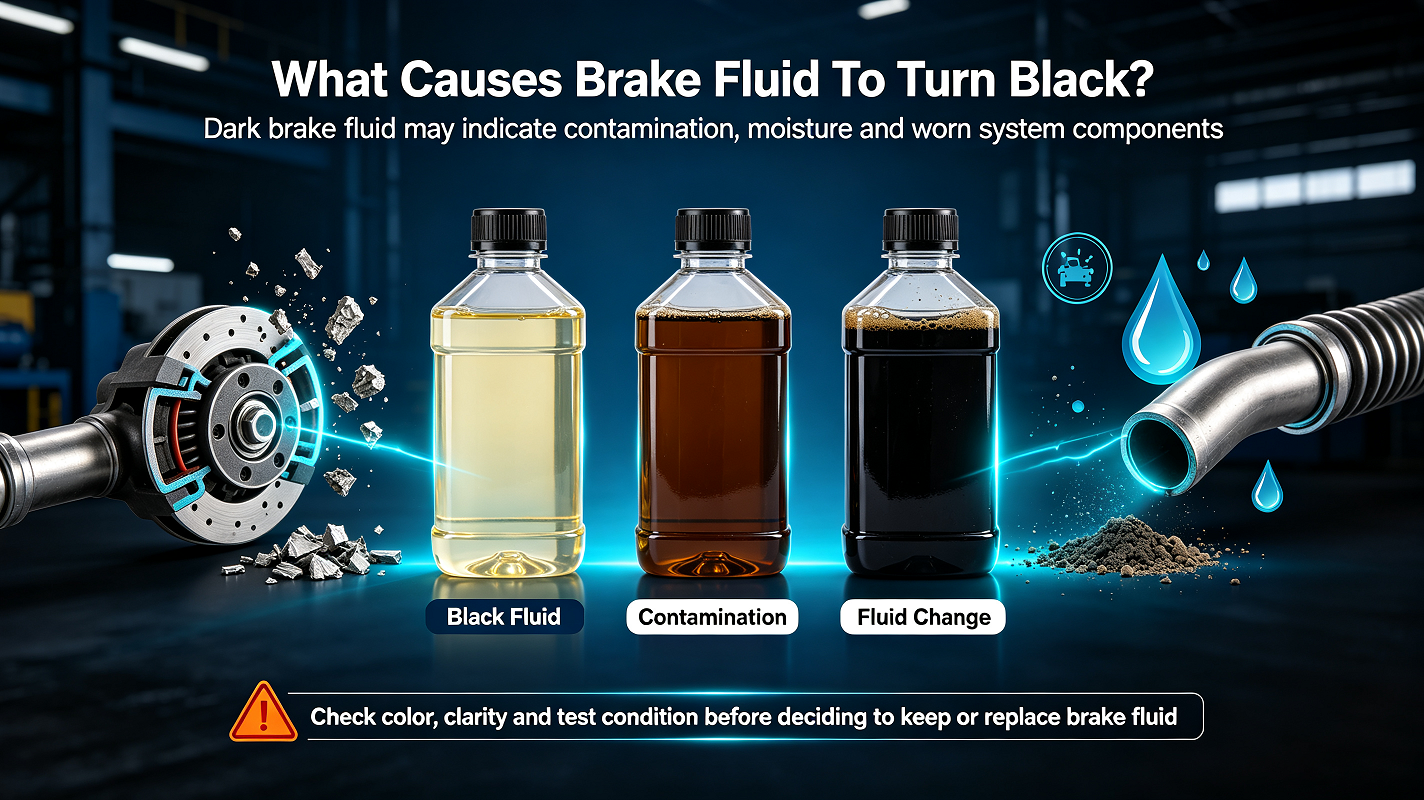
- The fluid is dark, cloudy, or contaminated.
- Braking feel has changed, especially under heat.
- The vehicle has had long service intervals or unknown maintenance history.
- The system has been opened for component replacement.
The risks of topping old brake fluid
This is the part many teams underestimate. One of the main risks of topping old brake fluid is that it can mask a worsening condition. The reservoir looks full again, but the fluid in the lines may still be degraded. That can leave a vehicle on the road with a maintenance issue hidden behind a fresh-looking fill line.
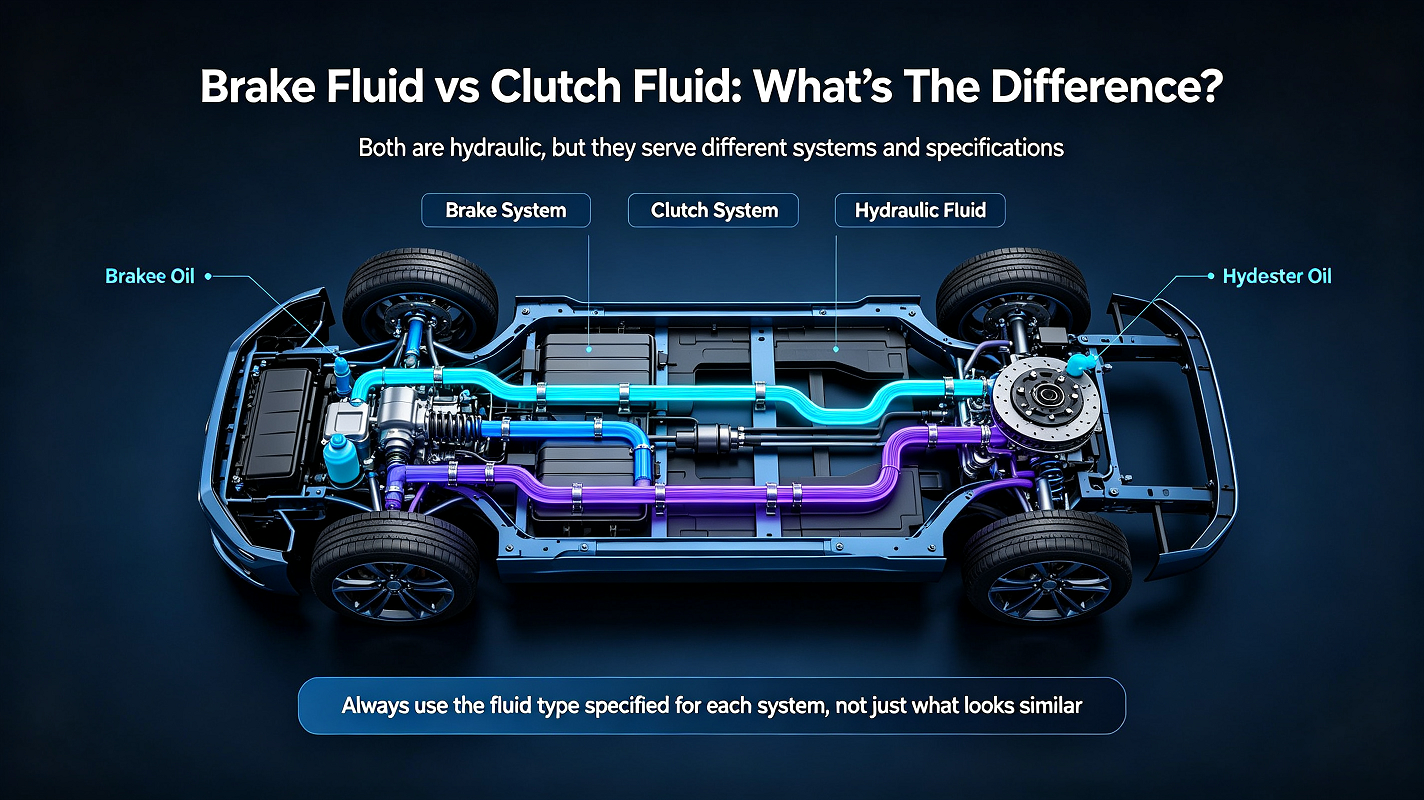
There is also the compatibility issue. Brake fluid types are not universally interchangeable. Using the wrong chemistry can damage seals or affect system behavior. A practical buyer should always verify the specified fluid type before any refill, and avoid treating a universal “top off” container as harmless stock.
Selection and handling tips for maintenance teams
Small procedural habits make a real difference. Keep containers sealed until use, because brake fluid readily absorbs moisture from the air. Use clean tools and avoid introducing dirt into the reservoir. If a top-up is being done as part of inspection, note the level, pad condition, and any signs of seepage so the next service has context rather than guesswork.
For fleet or workshop purchasing, it helps to stock the correct brake fluid grades for the vehicle mix you actually service. That sounds basic, but mixed fleets are where confusion usually starts. One bin of “brake fluid” is not enough.
Common mistakes that create expensive follow-up work
The most common mistake is treating a warning lamp as a fluid problem only. Another is overfilling the reservoir, which can create mess during service and make inspection harder. A third is ignoring the reason the level dropped in the first place. If the system loses fluid again after a refill, the team should not keep topping it up and hoping for the best.
There is also a shop-floor habit worth challenging: assuming all dark fluid must be immediately flushed, or that any low reservoir means a leak. Condition matters, but so does service history. The right call is usually made by combining visual inspection with the vehicle’s maintenance record.
Practical buyer advice
If you are sourcing brake maintenance supplies or planning service procedures, prioritize three things: the correct fluid specification, a clean handling process, and a rule for when topping is no longer acceptable and a flush is required. That simple policy reduces confusion across technicians, shifts, and sites.
The best maintenance programs do not rely on guessing at the reservoir. They connect fluid level checks with pad wear, leak inspection, and scheduled replacement intervals. That is what keeps a routine top-up from becoming a deferred repair.
FAQ
Can I just top up brake fluid and drive?
Sometimes, yes, but only if the level drop is minor and the system passes inspection. A top-up is not a substitute for diagnosing leaks or degraded fluid.
Does low brake fluid always mean worn pads?
No. Worn pads are one common reason, but leaks and service neglect are also possibilities.
Should old brake fluid be refilled or flushed?
If the fluid is simply low and otherwise healthy, a refill may be enough. If the fluid is aged, contaminated, or the service history is unclear, a flush is the safer call.
Next step
For a safer maintenance policy, build your brake-fluid checks around the condition of the system, not the reservoir alone. That is the difference between a quick fix and a service decision that holds up in the field.
Welcome to contact GAFLE for more information & cooperation!
peter
ZHEJIANG GAFLE AUTO CHEMICL CO.,LTD
Tel:86-579-8222 1665
Fax:86-579-8246 4690
Cel/Wechart:86-13335993986
E-mail:peter@gafle.net
Web:www.gafle.net